Walk-In Tubs for Safer Bathing at Home
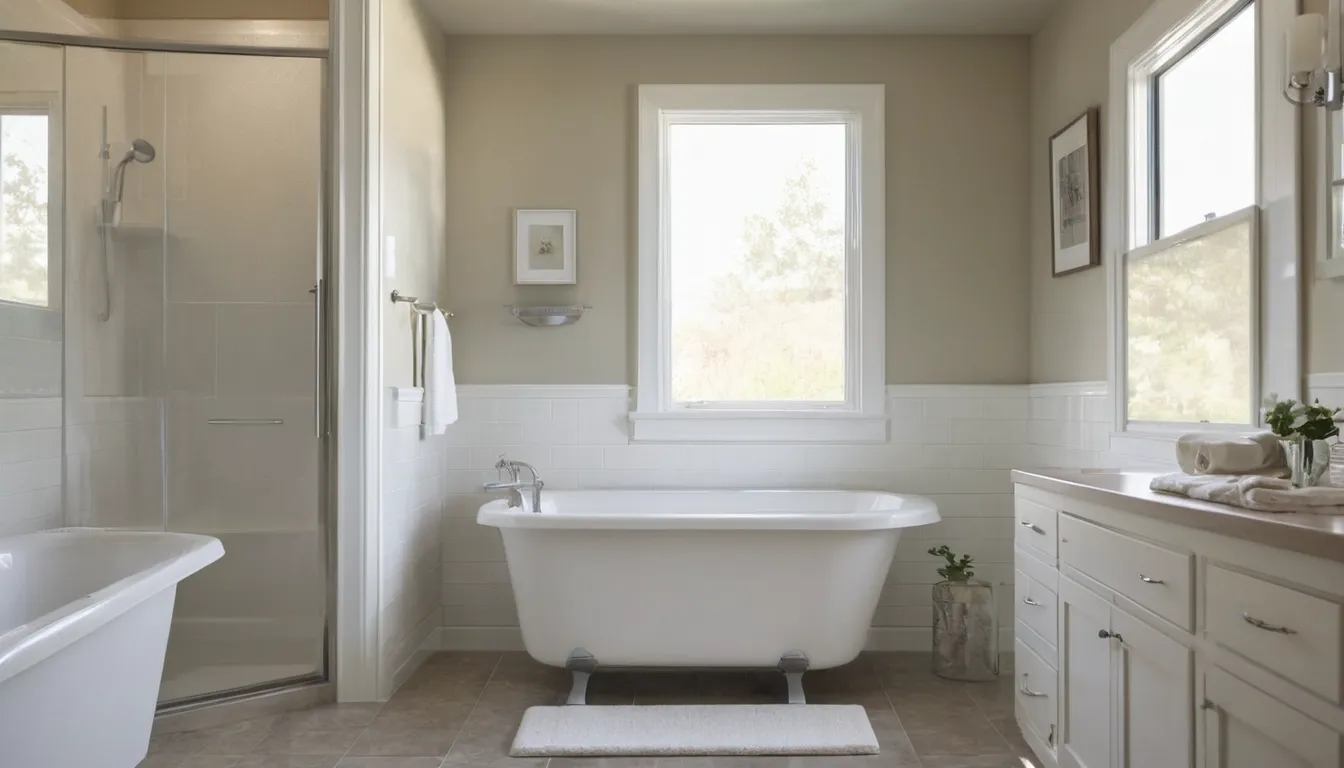
A walk-in tub has a watertight door in its side. You step through a low opening, sit on a built-in seat, and the tub fills around you. That is the whole idea. It removes the step-over that causes so many bathroom falls.
Penelitiankesehatan Walk-In Tubs is a referral service. It does not sell or install tubs. It connects homeowners in Rogers and the Rogers area with independent local providers in our network. The provider measures, quotes and does the work. Timing matters here. Cold winters, damp springs and humid summers all change how a bathroom job goes. This page covers who these tubs suit, what the work involves, and what to ask before you say yes.
Bathing feels risky? Start here.
A walk-in tub can make bathing safer. It has a door. You open it, step in over a low threshold, and sit down before the water runs.
The reason is plain. Most tub falls happen while someone steps over the wall, on wet footing. A walk-in tub takes that move away. Senior walk-in tubs are built around this one fix.
Penelitiankesehatan Walk-In Tubs does not do the work. Independent providers in our network do. They visit, measure, quote and install.
Plan before winter
Cold months are when bathing gets harder. Joints ache. Floors stay damp. Boots track in water. Many people decide on a tub in January and then wait through the busy season.
Do it earlier. Fall is a good time to ask for quotes. Providers book up as cold snaps and holidays close in, so early asking gives you more choice.
Deep frost matters too. If the bathroom sits on an outside wall, or supply lines run through a cold crawl space, ask the provider to check pipes and insulation before the tub goes in.
Who a walk-in tub suits
These tubs help most when a person still wants a bath but struggles with the step-over. That often means:
- Older adults with balance or knee trouble
- People with arthritis who find a deep soak soothing
- Anyone recovering from surgery or an injury
- Caregivers who need a safer setup for a family member
They fit less well when someone cannot sit up unaided or cannot transfer to a seat. In that case, ask the provider about other options before you commit.
Features worth knowing
Not every tub has the same parts. Look at these:
- Door seal. It must hold water without drips.
- Seat height. It should let the user sit and stand with ease.
- Grab bars. Check where they sit and how firmly they mount.
- Slip-resistant floor. The tub bottom needs real grip.
- Handheld sprayer. Useful for rinsing and for caregivers.
- Heated seat or back. It helps keep you warm while the tub drains.
Pick for the user's body, not the brochure.
Soaker, jetted and combination models
A soaker is the simplest. It holds water and nothing else. It has fewer parts to fail and usually costs less.
A jetted model adds water or air jets. Many people like them for sore muscles. Jets need power and more upkeep. They also add cost.
A combination model has both water and air systems. It is the most feature-heavy option, and it needs the most care. Ask yourself if you will really use the extras. If not, a soaker is often enough.
Storms, floods and humid summers
Weather shapes this job more than most people expect.
Severe storms can knock out power. A tub with jets or a pump drain may not work without it. Ask how the tub drains if power is out.
Spring flooding hits basements. If the bathroom is on a lower level, ask the provider about the drain path and how it ties into your sump pump setup. Do not guess on this.
Humid summers add moisture. A tub with a bad seal or a weak vent fan invites mold. Make sure the bathroom fan works well.
What the installation involves
Expect a few steps. The provider removes the old tub and checks what is under it. Then they adjust plumbing and the drain, set the new tub, seal it, and test for leaks.
A walk-in tub is bigger and heavier than a standard one, especially when full. In a frame house that is many decades old, the floor may need checking or reinforcing. In a bungalow or ranch home, the bathroom may be tight, so the door swing and hallway width matter.
This is tub replacement, and the details decide the result. Ask for a site visit before any price is final.
Check your water heater
This one gets missed. A walk-in tub holds a lot of water. You sit in it while it fills. You also wait inside while it drains. The water has to stay warm the whole time.
A small or old tank may run out of hot water before the tub is full. Cold incoming water in winter makes it worse.
Ask the provider to compare the tub's size with your tank. If needed, an upgrade is cheaper to plan now than to add later.
Questions to ask the provider
Get it in writing. Then ask:
- What is the full price, and what does it include?
- Who handles permits, if any are needed?
- How is the floor checked before the tub is set?
- What does the warranty cover, and for how long?
- Does any warranty pass to a new owner?
- What happens if hidden damage turns up behind the old tub?
- How long will the bathroom be out of use?
A solid provider answers these without fuss.
Protect the home and its value
Done right, this job protects the house. A poor seal or a weak drain can leak into walls and floors. In an older frame house, slow leaks rot wood out of sight.
Resale is mixed. Some buyers value a safe bathing conversion. Others prefer a standard tub. Neat work, matching finishes and clear paperwork help either way. Keep every receipt and warranty.
Living with a walk-in tub
Expect a routine. You sit, close the door, fill, bathe, and then wait for the drain before you open it. Warm the bathroom first. Keep a towel and robe within reach.
Wipe the seal now and then. Check it for wear. If you have jets, flush the lines as the maker advises. In humid months, run the fan after each bath.
Involve the person who will use it
The user should have a say. Many showrooms let you sit in a model. Check the seat height. Reach for the controls. Open and close the door.
If a tub feels wrong in the showroom, it will feel wrong at home. Take your time before you sign.
Other routes, if a tub does not fit
Some bathrooms are too small for a walk-in tub. Others suit a different setup. A safe bathing conversion or handicap accessible showers may be a better match. Those have their own pages here.
What's Included
Tub removal and prep
The provider takes out the old tub, checks the floor and walls, and prepares the space for the new unit.
Door and seal
A watertight door, tested for leaks before the job is done.
Plumbing and drain
Supply lines and drain work are adjusted so the tub fills and empties as it should.
Finish and testing
The provider seals the edges, repairs the surrounding walls, and runs the tub to check every part.
Typical Walk-In Tub Costs
Prices vary by tub model, bathroom layout and local rates. These are typical U.S. ranges only. Hidden floor or plumbing problems can change the total, so always get a written quote before you agree.
| Item | Typical range | Notes |
|---|---|---|
| Basic soaker walk-in tub, installed | $4,000 – $9,000 | Fewest parts to maintain |
| Jetted or combination tub, installed | $7,000 – $20,000 | More features, more upkeep |
| Old tub removal and disposal | $300 – $1,200 | Depends on tub type and access |
| Plumbing and drain changes | $500 – $2,500 | Older homes often cost more |
| Electrical work for jets or heaters | $300 – $1,500 | Needed only for powered models |
| Floor repair or reinforcement | $500 – $3,000 | Found once the old tub is out |
How It Works
Tell us your goal
Share your address area, who will use the tub, and any mobility needs. Mention your timing too.
Get matched locally
Penelitiankesehatan Walk-In Tubs connects you with a provider in our network near you.
Review a written quote
The provider visits, measures, and sends a quote in writing for you to review.
Schedule the work
Pick a date that suits the season and your home. The provider handles the installation.
Why Call Penelitiankesehatan Walk-In Tubs
Independent Providers
Providers in our network are local businesses that do the measuring, quoting and installing. Penelitiankesehatan Walk-In Tubs only makes the introduction.
Local Knowledge
Local providers know frost, flood and storm conditions in your area.
Written Quotes
Ask each provider for a written quote so you can compare scope and price side by side.
No Obligation
Requesting an estimate does not commit you to hiring anyone. Take your time deciding.
Other Services
Need walk-in tubs in Rogers?
Ready to plan? Request a callback to check provider availability, or send a request. There is no obligation to hire anyone.
Walk-In Tubs FAQ
How much does a walk-in tub cost?
Typical U.S. prices run from about $4,000 for a basic installed soaker to $20,000 or more for a feature-rich model. Plumbing, floor and electrical needs change the total, so get a written quote.
Does insurance cover a walk-in tub?
Usually not, since it is a home improvement. Some policies or programs may help in limited cases, so check your own policy and ask your doctor or plan administrator what applies.
How long does a walk-in tub take to fill and drain?
It varies by model. Fill and drain times can run several minutes each, so ask the provider and check your water heater size.
Get in touch
Ready to plan? Request a callback to check provider availability, or send a request. There is no obligation to hire anyone.
No obligation